avoid these common sticky tape blunders in your projects
Sticky tape is a handy tool in various projects, from crafting to home repairs. But despite its versatility, many people fall into common pitfalls that can undermine their efforts. Understanding these blunders can save you time and frustration, ensuring that your projects turn out as intended. In this article, we will explore some of the most frequent mistakes made when using sticky tape and how to avoid them in 2026.
Using the Wrong Type of Tape
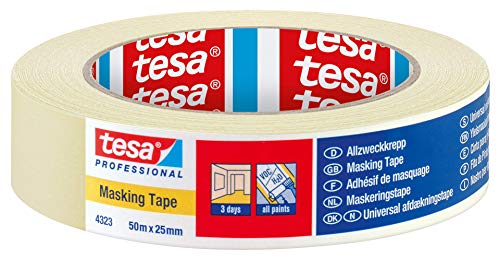
One of the most significant mistakes is using the incorrect type of tape for your project. There are many varieties, including masking tape, duct tape, double-sided tape, and washi tape, each designed for specific tasks. For instance, using masking tape for heavy-duty tasks may lead to failures, as it is not designed to hold substantial weight. Always choose the right tape that matches the requirements of your project to ensure durability and effectiveness.
Not Preparing the Surface
Another common blunder is neglecting to prepare the surface before applying sticky tape. Dust, oil, or moisture can significantly reduce the adhesive's effectiveness. Before applying the tape, ensure the surface is clean and dry. Use a suitable cleaning agent if necessary, and allow it to dry completely before proceeding with the tape application.
People Also Look For:
- NORTHERN BROTHERS Masking Tape for Painting 25mm Indoor Decorators Decorating Tape Beige Adhesive Crafts Painters Tapes 12 Rolls (...
- RENKE Double sided sticky pads,50 Pcs Heavy Duty Strong Mounting Adhesive Foam Pads Waterproof Rectangle,Double Sided Sticky Tape ...
- ADHES Exterior Masking Tape For Painting And Indoor Decorating Blue Painter Tape, UV Anti, Multi-Surface,DIY,Arts,Craft, 72mm x 55...
- ARVO Masking Tape for Painting – 24 mm x 50 m Decorators Painters Tape | Medium-High Adhesion, Crepe Paper for Wa...
- Emitever Double Sided Tape, Double Sided Tape Heavy Duty Mounting Tape, 23 FT*0.6 Inch Double Sided Sticky Tape, Strong Adhesive W...
Applying Tape Incorrectly
Proper application technique is crucial. Many people simply place the tape down without ensuring it is aligned correctly. This can lead to bubbles or wrinkles, compromising the tape's hold. To avoid this, gently press down one end of the tape first, then slowly unroll it while applying pressure to avoid air pockets. Making sure the tape is straight and smooth will improve its adhesion and overall appearance.
Overlapping or Stretching the Tape
Overlapping strips of tape can create weak points and make the area look shabby. Instead, apply the tape in single strips that cover the required area without overlaps. Additionally, stretching the tape while applying it can cause it to lose its adhesion or even tear. Always handle the tape with care, applying it without pulling or stretching it excessively.
Ignoring the Expiry Date
Did you know that sticky tape can have an expiry date? While it may not spoil like food, the adhesive can degrade over time, leading to reduced performance. Check the packaging for the expiry date before using your tape. If the tape feels brittle or the adhesive seems less sticky than usual, it might be time to replace it. Always use fresh tape for optimal results.
Underestimating the Amount Needed
A common issue is misjudging how much tape is required for a project. Underestimating can lead to running out midway through your work, while overestimating can result in waste. To avoid this blunder, measure the area where you will apply the tape accurately, and then allow for a little extra to ensure complete coverage. This careful planning can save both time and resources.
Failing to Test the Adhesion
Finally, failing to test the adhesion of the tape before committing to a large application can lead to disastrous results. It's wise to test a small piece of tape on the surface to see how well it adheres. This is especially important when working with new materials or surfaces. Testing can help you assess whether the tape will hold as needed, preserving the integrity of your project.